

Table of Contents
- What Makes a Wipe Biodegradable
- Leave No Trace Hygiene Practices for Backcountry Wipes
- Full Body Wipes for Camping Trips: What to Look For
- Biodegradable Camping Wipes Disposal: Proper Backcountry Cleanup
- Ingredients to Avoid in Outdoor Wipes
- Decomposition Timelines in Different Soil Types
- Water Usage and Conservation Techniques
- Why Eco-Friendly Wipes Matter for Hiking
- Frequently Asked Questions
Last Updated: September 30, 2026
What Makes a Wipe Biodegradable
A biodegradable wipe is one that breaks down naturally when exposed to soil, water, and microorganisms over time. Unlike synthetic materials that persist for decades, biodegradable wipes are engineered from plant-based fibers like viscose, bamboo, or wood pulp that soil microbes can actually decompose. The key difference lies in the binders and additives: biodegradable wipes use plant-derived or water-soluble binders instead of synthetic polymers that lock materials together permanently.
The practical advantage for hikers is straightforward. When you're eight hours into a backcountry trek and need to clean up, a biodegradable wipe won't sit in the soil for years as an inert lump. It'll break down within months under the right conditions, returning nutrients to the ecosystem rather than creating microplastic pollution. This matters because standard disposable wipes, even those labeled "flushable," contain synthetic fibers that don't decompose.
Viscose fiber, derived from wood pulp, breaks down relatively quickly in moist soil. Bamboo-based wipes offer similar decomposition rates with a slightly lower environmental footprint during production. Wood-derived fibers generally outperform cotton blends in terms of how fast soil microbes can process them. The binder system matters equally, water-soluble or plant-based binders dissolve and degrade far faster than acrylic or polyester compounds found in conventional wipes.
Leave No Trace Hygiene Practices for Backcountry Wipes
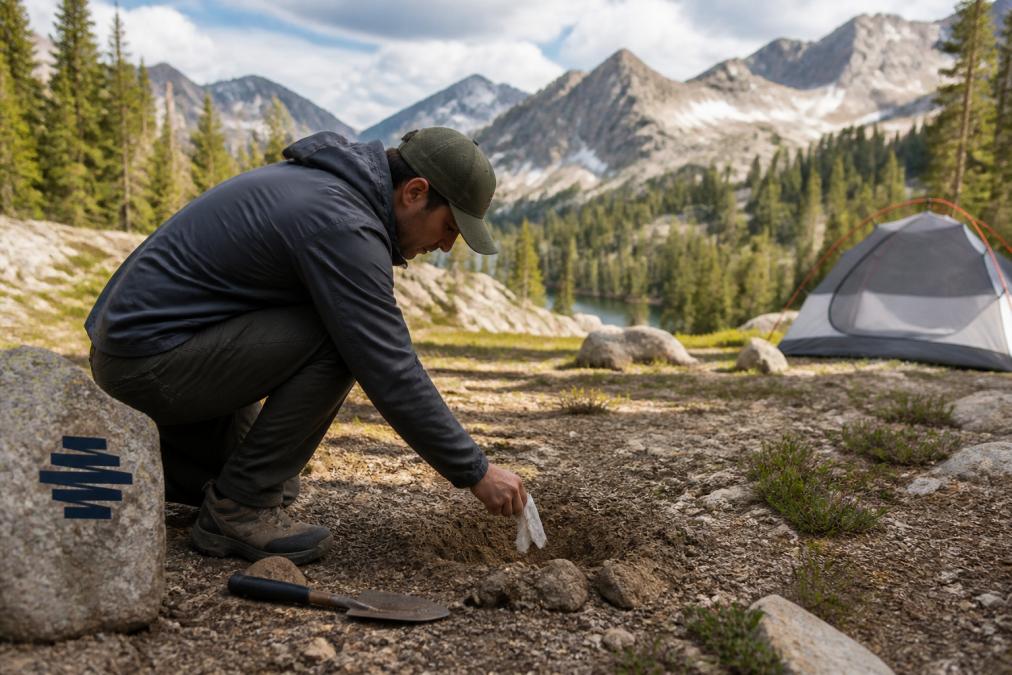
The Leave No Trace principle for personal hygiene in the backcountry requires packing out all waste, including used wipes. This isn't optional guidance, it's the ethical standard that keeps wilderness areas clean for everyone. Whether you're using biodegradable camping wipes or any other hygiene product, the rule is the same: what goes in comes out.
The proper method involves digging a cat hole at least 200 feet from water sources, trails, and campsites. Bury your used wipes in this hole, covering them completely with soil. This placement allows soil microbes to access the material and begin decomposition while keeping the waste out of sight and away from water contamination. For backcountry wipes that are truly biodegradable, this environment accelerates breakdown significantly compared to surface disposal.
Many hikers mistakenly believe biodegradable wipes can be left on the surface or scattered. They can't. Biodegradable doesn't mean "disappear instantly." It means the material will eventually decompose if buried properly. Surface-exposed wipes take longer to break down, remain visible (which degrades the wilderness experience for others), and can be scattered by animals. Burying them is non-negotiable.
If you're in an area where digging is impossible, rocky terrain, frozen ground, established campsites with fire rings, pack the wipes out in a sealed bag. This defeats the purpose of choosing lightweight gear, but Leave No Trace principles take priority over convenience. Some ultralight backpackers use small ziplock bags specifically for this, keeping used wipes separated from their other gear until they reach a trailhead.
The Leave No Trace approach also applies to water usage. Rinse wipes with minimal water from a container at least 200 feet from streams. Don't use stream water directly. This prevents soap residue and body oils from entering water sources even if your wipes are biodegradable.
Full Body Wipes for Camping Trips: What to Look For
When selecting the 7 best eco friendly wipes for hiking, size and coverage matter more than you'd expect. Standard facial wipes are too small to clean an actual human body efficiently. Full body wipes for camping trips need to be oversized, at least 8 by 10 inches, to cover your torso, arms, and legs without requiring half a pack to feel clean.
Material Composition: Viscose, Bamboo, and Wood-Derived Fibers
Viscose fiber dominates the biodegradable wipe market because it balances cost, absorbency, and decomposition speed. Derived from wood pulp through a chemical process, viscose breaks down in moist soil within 5-6 months under ideal conditions. It holds moisture well, making it effective for actual cleaning rather than just spreading moisture around.
Bamboo-based wipes offer similar performance with a lower production footprint. Bamboo grows rapidly without requiring pesticides, making the raw material more sustainable than conventional timber. The resulting fiber has comparable absorbency to viscose and decomposes at similar rates. The trade-off is slightly higher cost, though the environmental benefit justifies the premium for many users.
Wood-derived fibers from sustainably managed forests provide another option. These wipes break down through the same microbial processes as bamboo and viscose. The key is ensuring the source is certified sustainable, look for FSC or similar certification if environmental impact matters to your purchasing decision.
Fragrance-Free and Skin-Friendly Formulations
Fragrance-free options matter more in the backcountry than you might think. Scented wipes attract insects and can interfere with wildlife observation. A eucalyptus-scented wipe might smell fresh to you, but it broadcasts your presence to every curious animal within range. For true wilderness immersion, unscented is the practical choice. If you prefer a subtle scent, Manshowr offers options that deliver cleaning without the wildlife disruption.
Skin-friendly formulations should be pH-balanced and free from alcohol, which dries skin and can cause irritation during extended trips. Aloe vera and vitamin E are common additives that help prevent the chafing that occurs during multi-day trips when you're cleaning with wipes instead of showering. If you have sensitive skin, test any new wipe product at home before committing to a full pack for a week-long expedition.
Portability and Weight for Ultralight Backpacking
Individual wipes add up quickly in weight. A standard pack of 12 wipes weighs roughly 2-3 ounces. For ultralight backpacking where every ounce counts, this matters. Some hikers decant wipes into smaller containers or ziplock bags, removing excess packaging to shave weight. Others accept the trade-off, recognizing that staying clean during a trip prevents skin infections and boosts morale.
Resealable packaging keeps wipes from drying out in your pack. Once a wipe container is opened, exposed wipes dry within days. Quality packaging should seal tightly and resist punctures from sharp gear. Manshowr XL Wipes come in sealed packaging that maintains moisture for the duration of a typical trip, avoiding the frustration of grabbing a dried-out wipe when you need it most.
Biodegradable Camping Wipes Disposal: Proper Backcountry Cleanup
Disposing of biodegradable camping wipes correctly ensures they actually decompose rather than persisting in the environment. The process is simple but requires discipline.
First, locate a suitable cat hole site, 200 feet minimum from water, trails, and camp. Dig 6-8 inches deep into soil that isn't permafrost or bedrock. Deposit your used wipe, cover it completely, and mark the location mentally so you don't accidentally dig there again. The soil provides the moisture and microbial activity necessary for decomposition to begin.
In wet environments like coastal rainforests, decomposition accelerates because moisture is constant. In arid regions, buried wipes break down more slowly due to lower microbial activity. This is why proper burial depth matters, deeper placement keeps wipes in contact with more active soil layers.
Never leave wipes at the surface, even biodegradable ones. They'll remain visible for weeks, degrade the experience for other hikers, and attract animals that scatter them across camp. Pack them out if you can't bury them properly.
Ingredients to Avoid in Outdoor Wipes
Synthetic binders and plasticizers have no place in backcountry wipes. Polyester, polyethylene, and acrylic-based binders lock fibers together in ways soil microbes can't process. These materials persist for years, creating microplastic pollution even if the underlying fibers eventually degrade.
Alcohol-based formulations dry skin and can cause irritation during extended trips. They're efficient for quick cleanups in urban settings, but in the backcountry where you're cleaning multiple times daily without access to moisturizer, alcohol wipes leave your skin uncomfortable.
Synthetic fragrances attract insects and mask your presence in ways that disrupt wildlife observation and increase bear encounter risk.
Decomposition Timelines in Different Soil Types
Decomposition rate varies dramatically based on soil conditions. In moist, nutrient-rich forest soil with active microbial populations, viscose and bamboo-based wipes break down within 5-6 months. Sandy soils with lower microbial density extend this timeline to 8-12 months. Rocky alpine soil with minimal organic matter and cold temperatures can take 18+ months.
Water Usage and Conservation Techniques
Rinsing wipes uses minimal water compared to washing with soap and water, but conservation still matters in arid environments. Fill a container with water at camp, then rinse your wipes away from water sources. This approach uses roughly 2-3 ounces of water per cleaning versus the gallon or more required for a full wash.
Why Eco-Friendly Wipes Matter for Hiking
Choosing the 7 best eco friendly wipes for hiking reflects a commitment to leaving wilderness areas intact for future users. Standard disposable wipes persist in soil for years, creating microplastic pollution that accumulates across popular hiking areas. Over time, this adds up, thousands of hikers using non-biodegradable wipes creates a visible environmental impact.
Frequently Asked Questions
Are biodegradable wipes actually safe for the environment?
Biodegradable wipes break down faster than conventional synthetic wipes, but safety depends on proper disposal and what's in them. Wipes made from viscose fiber, bamboo pulp, or wood-derived fibers decompose within weeks to months in soil, unlike plastic-based wipes that persist for years. The key is avoiding wipes with synthetic binders or microplastics and following Leave No Trace principles by burying waste properly in a cat hole at least 200 feet from water sources.
How do you properly dispose of wet wipes while hiking?
Dig a cat hole at least 200 feet from water sources and trails, then bury used wipes completely. Never leave wipes on the surface or pack them out in a wet state, as they'll degrade in your pack. For multi-day trips, pack a small resealable bag to contain used wipes until you reach a proper waste disposal site. This follows Leave No Trace hygiene practices and prevents contamination of water sources and wildlife.
What makes a body wipe eco-friendly for camping?
Eco-friendly camping wipes combine three factors: biodegradable material (viscose or bamboo fiber instead of plastic), absence of synthetic binders or microplastics, and pH-balanced, fragrance-free or natural formulations that won't harm soil microbes. Look for wipes labeled plastic-free with compostable or biodegradable certification. Oversized wipes reduce the number needed per cleanup, lowering your environmental footprint during backcountry hygiene.
How many wipes do I need for a multi-day backpacking trip?
Plan for 2-4 wipes per day depending on activity level and water access. A construction worker after eight hours in the field might use 4, while a casual hiker with stream access might use 2. For a 5-day trip, bring 15-20 wipes to account for unexpected situations. Oversized body wipes cover more area than standard wipes, so you'll need fewer total. Store them in a resealable bag to prevent drying out.
0 comments